7 Attic Cooling Methods That Help Lower Summer Bills
Townsville’s strong sunshine and hot, humid summers put extra pressure on home cooling systems. When heat builds up in the attic, commonly called the roof space in Australia, it can transfer through the ceiling and make air conditioning work harder.
The most effective attic cooling methods address heat gain, insulation and air leakage together. A cooler roof space does not automatically mean lower electricity bills, so prioritise improvements that reduce heat entering your living areas. These seven options offer practical starting points for Townsville homes.
1. Improve Ceiling Insulation
Ceiling insulation slows heat transfer from the roof space into the rooms below. For many homes, checking existing insulation is a more useful first step than installing a roof fan.
Have an installer look for missing sections, compressed batts and gaps around ceiling penetrations. Insulation should provide consistent coverage while maintaining required clearances around lights, electrical equipment and other fixtures.
Ask for an assessment of the total ceiling system R-value, rather than choosing insulation by thickness alone. The appropriate specification depends on your building, roof construction and applicable requirements. Roof leaks https://cristianynny599.timeforchangecounselling.com/comprehensive-gutter-services-more-than-seasonal-cleaning should be repaired before damaged insulation is replaced.
2. Seal Air Leaks Through the Ceiling
Gaps around access hatches, pipe penetrations and ceiling fittings can let cooled indoor air escape and allow hot roof-space air into the home. Air sealing helps your air conditioner maintain comfortable temperatures without unnecessary losses.
Fit suitable weather seals around the attic access hatch and insulate its upper surface. Have a qualified tradesperson assess other penetrations and use materials appropriate to their location.
Do not seal required ventilation openings or compromise electrical clearances. Downlights, flues and other heat-producing fittings need particular care. Comprehensive sealing solutions should distinguish between unwanted ceiling leakage and necessary roof-space airflow.

3. Restore or Improve Passive Roof Ventilation
Passive ventilation allows outside air to enter through suitable low-level openings and warmer air to escape through higher outlets. Depending on roof design, these may include eave vents, ridge vents or wind-driven ventilators.
Effective attic ventilation installation requires a balanced airflow path. Adding outlets without enough intake can limit performance. Existing systems may need attic ventilation repair if vents are blocked, damaged or incorrectly positioned.
For Townsville, customized roof ventilation should account for wind-driven rain, cyclone exposure, insects and corrosion. Advanced ventilation techniques are useful only when they suit the building; more vents are not automatically better. Ventilation also cannot make the roof space cooler than the incoming outdoor air by itself.
4. Consider Powered Ventilation Carefully
Solar-powered or electrically powered roof fans can remove hot roof-space air, but their effect on electricity bills varies. A fan needs adequate replacement air from outside. Otherwise, it may draw conditioned air through ceiling gaps, undermining the intended savings.
Before installation, ask the contractor to assess ceiling airtightness, intake capacity, fan sizing and likely operating conditions. Electrically powered fans also consume energy, which should be included in any savings estimate.

Solar-powered models avoid grid electricity for fan operation, but that does not guarantee a worthwhile return. Treat powered ventilation as a targeted option rather than the default solution for attic heat reduction.
5. Choose a More Reflective Roof Finish
A roof that reflects more solar energy generally absorbs less heat. If repainting or replacing your roof is already necessary, compare products using published solar reflectance and thermal emittance information, not colour names alone.
Light-coloured roofing often performs well, although specialist reflective coatings can offer other colour choices. Advanced painting techniques should include proper surface preparation, corrosion treatment where needed and a coating compatible with the roofing material.
Have leaks, failed fixings and deteriorated surfaces assessed first. Comprehensive roof repair may be enough; a complete roofing replacement is not necessary solely to obtain a cooler roof. For Townsville properties, any replacement system must also meet applicable structural and wind requirements.
6. Assess Whether a Radiant Barrier Is Suitable
Reflective foil products can reduce radiant heat transfer when correctly installed next to an appropriate air space. They do not replace bulk ceiling insulation, and their effectiveness depends on placement, cleanliness and the roof assembly.
Retrofitting foil into an existing roof space can be difficult. Condensation management also matters in Townsville’s humid climate, so get advice on the suitability and vapour properties of the proposed product.
Never attempt DIY foil installation around electrical wiring. Conductive foil can become energised if it contacts damaged wiring or electrical components. Use appropriately qualified professionals and discuss electrical safety before work begins.
7. Repair and Insulate Air-Conditioning Ducts
If your home has ducted air conditioning running through the roof space, damaged duct insulation and leaking connections can waste cooling before it reaches your rooms. This measure does not directly cool the attic, but it can reduce the energy penalty of having ducts in a hot environment.
Ask a licensed air-conditioning contractor to inspect duct joints, insulation, supports and the air-handler enclosure. They should also check for condensation, which can occur when humid air contacts cold surfaces.
For a new installation, discuss opportunities to minimise duct length and, where practical, keep equipment and ducts within the insulated building envelope.
Where Should Townsville Homeowners Start?
Begin with an inspection of insulation, ceiling leakage, roof condition and any air-conditioning ducts. These checks help identify the improvements most likely to benefit your particular home before you pay for additional ventilation equipment.
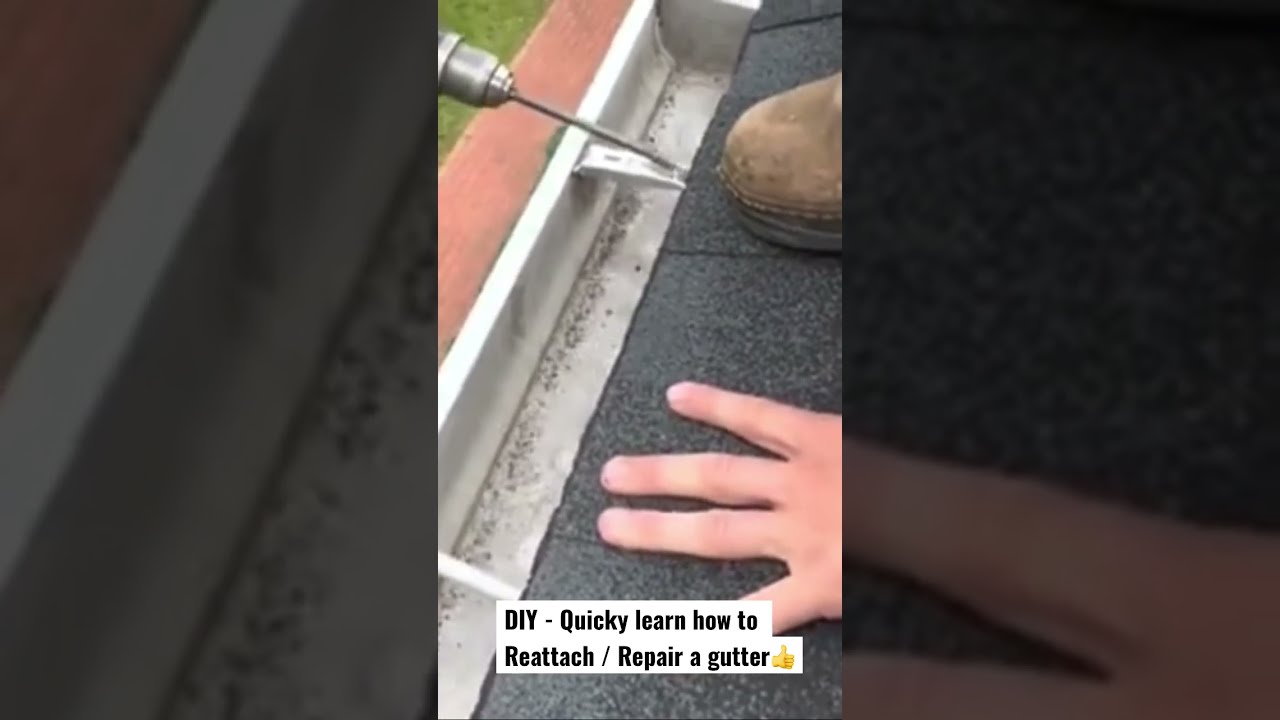
Include comprehensive roof maintenance in the assessment. Blocked gutters and leaks do not directly cause all overheating problems, but they can damage insulation and ceilings. Damaged gutter repair and appropriate drainage maintenance help protect your investment.
Ask contractors to explain the expected benefit, installation requirements and maintenance needs of each recommendation. The best approach combines suitable insulation, controlled airflow and reduced solar heat gain, rather than relying on one product or a guaranteed percentage saving.
Townsville Roof Restoration Experts
9/141 Ingham Rd, West End QLD 4810, Australia
(07) 4801 8032